Color psychology plays a pivotal role in interior design, shaping how we perceive and interact with spaces. Self-adhesive wallpaper, with its ease of application and variety, offers a unique opportunity to harness this power, influencing mood and the perception of space in our homes and workplaces.
# Enhancing Mood with Color
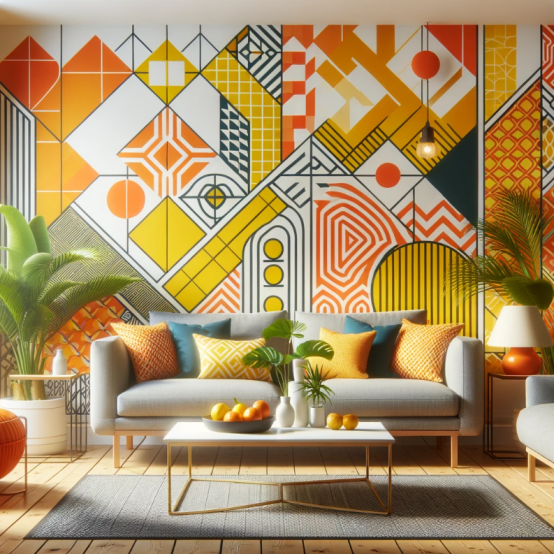
Selecting the right color of self-adhesive wallpaper can profoundly impact the room's ambiance. For instance, blue tones are known for their calming effect, making them ideal for bedrooms or study areas. Conversely, vibrant colors like orange or yellow can inject energy into a kitchen or living room, stimulating appetite and social interaction.
# Altering Space Perception
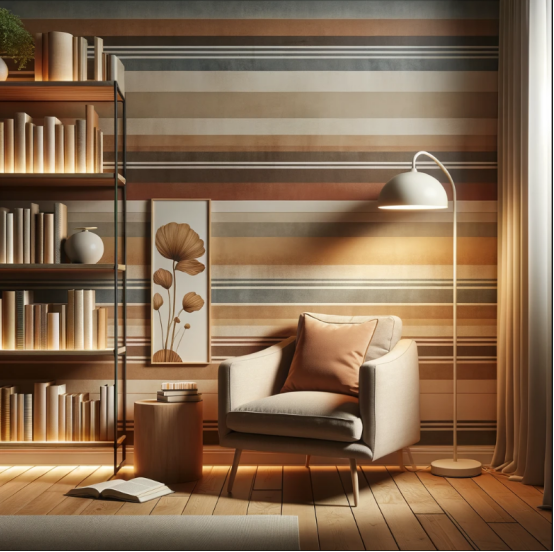
The choice of color and pattern on self-adhesive wallpaper can also alter the perception of a room's size and shape. Light colors tend to make a room feel more spacious and airy, while dark hues create a more intimate and cozy atmosphere. Similarly, vertical stripes can make ceilings appear higher, and horizontal stripes can make a room seem wider.
# Strategic Application for Maximum Impact
Applying self-adhesive wallpaper strategically can maximize its emotional and spatial effects. A feature wall in a bold color can draw attention and create a focal point, while wallpapering a small nook in a bright, cheerful pattern can transform it into a cozy retreat.
# Mindful Selection for Harmony
When choosing self-adhesive wallpaper, it's essential to consider the existing decor and the room's purpose. Harmonizing colors with furniture and accessories ensures a cohesive look, while selecting wallpaper that reflects the intended use of the room can enhance its functionality and mood.
# Conclusion
Self-adhesive wallpaper offers an accessible and versatile way to employ color psychology in interior design. By carefully selecting colors and patterns, we can influence mood, alter the perception of space, and create environments that reflect and enhance our experiences.


